
important

Andes Virus Outbreak on a Cruise Ship

May 2026 – CDC is responding to a deadly outbreak of Andes virus, a type of hantavirus, among passengers and crew of a cruise ship in the Atlantic Ocean. The risk of a pandemic caused by this outbreak and the overall risk to the American public and travelers remains extremely low.

Vermont has not received confirmation from the CDC about whether any Vermont residents were on board the ship or may be connected to the outbreak. We are prepared to support any passengers or contacts if needed.

Outbreak FAQs (CDC)

Key Points about Hantavirus

  • Hantaviruses are a family of viruses that can cause a serious illness called hantavirus pulmonary syndrome (HPS), which can be fatal without prompt medical care.
  • These viruses spread from rodents to people. Only one type of hantavirus, the Andes virus, can rarely be spread person to person. The Andes virus is primarily found in South America.
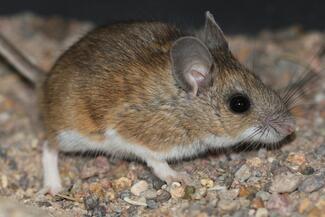
  • In Vermont, deer mice and white-footed mice can carry hantavirus, but the disease is rare.
How it Spreads

When fresh urine, droppings, or nesting materials of an infected rodent are stirred up, the virus can get into the air. You can become infected with the virus by breathing in the contaminated air. The virus can also spread when saliva, urine, or feces from an infected animal gets into cuts in a person's skin or their eyes, nose, or mouth.

Symptoms

Early in the illness, symptoms of HPS can include fatigue, fever, and muscle aches. Some people may also experience a headache, dizziness, chills, nausea, vomiting and diarrhea. After four to 10 days of these early symptoms, people with HPS will develop a cough and shortness of breath. Non-HPS hantavirus infection can also occur, where people experience early flu-like symptoms that do not affect the lungs.

Prevention 

The best way to prevent hantavirus infections is to eliminate or minimize contact with rodents:

  • Seal holes in your home, workplace, or campsite to prevent rodents from entering
  • Trap mice around your living space to reduce the population
  • Store food securely and properly
  • Reduce potential nesting sites inside and around your home

More prevention steps and strategies (CDC)

Hantavirus in Vermont

In Vermont, there are two species of rodents that can carry hantavirus: the deer mouse (Peromyscus maniculatus) and the white-footed mouse (Peromyscus leucopus) While these mice are common throughout the state, hantavirus is uncommon in Vermont. 

Since 1993, only two cases of hantavirus pulmonary syndrome in Vermonters have been reported to the Health Department. In 2014, one out-of-state resident was infected with hantavirus while staying in Vermont and became ill after returning to their home state.

Deer Mouse

White-footed Mouse

Last Updated: