
What is Health Equity?
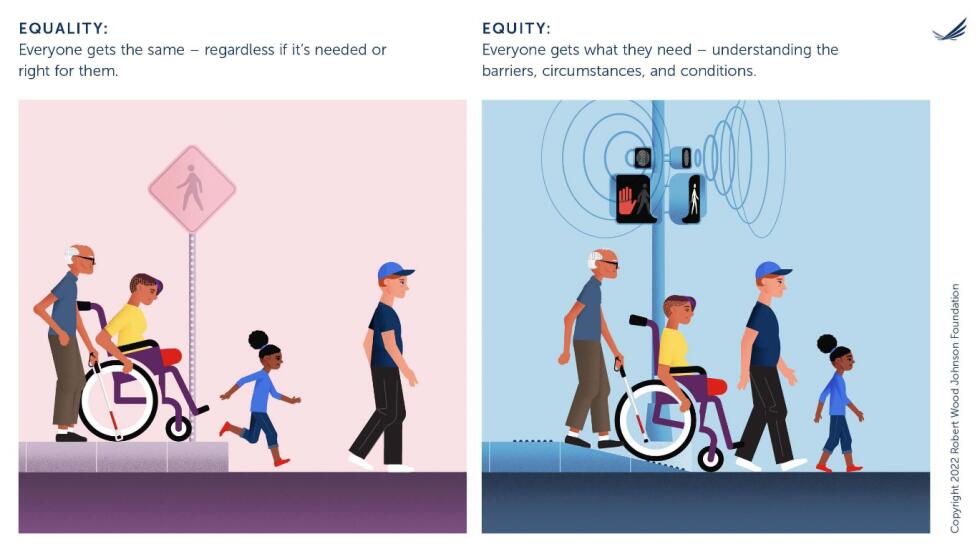
Health equity means making sure everyone has a fair and equal chance to be healthy. To do this, we need to close the health gaps that are unfair or could be prevented. These gaps often come from obstacles like high costs, long travel distances, discrimination, language barriers, or not seeing yourself represented in the health system.
Because these challenges don’t affect everyone the same way, advancing health equity means taking focused, intentional action to improve opportunities, resources, and health outcomes for people and communities who face bigger health burdens than others.
How Do We Improve Health Equity in Vermont?
The Office of Health Equity leads statewide efforts to strengthen policy and decision-making by placing health and equity considerations across all areas of government, not just health-related sectors.
The Office of Health Equity currently has two teams that work closely together:
A Health Equity Integration team for the Department of Health
A State team that works across state government
We recognize that:
- Health is shaped by more than healthcare
- Some Vermonters face more barriers to good health
- Where we live, learn, work, and play has a big impact on our health
- Vermont is one of the healthiest states in the country, but not everyone has the same opportunities to be healthy
We focus on:
- Centering the knowledge and experiences of people historically excluded from care, including BIPOC, LGBTQ+ Vermonters, and people with disabilities
- Focusing on everyday factors that shape health, such as housing, education, jobs, transportation, and healthcare access
- Working with communities statewide on the health issues that matter most to them
- Partnering with our 12 local health offices to support local priorities and strengthen community efforts
We also collaborate across the Health Department and with other state agencies to make sure health equity is woven into all of our work.
The Vermont Department of Health knows that social, economic, and environmental inequities (made worse by systems of oppression, marginalization, and racism) shape the data we collect and report. To better understand these inequities and track our progress in closing gaps in health outcomes, we study and publish data that looks closely at specific groups of people in Vermont.
The Vermont Department of Health’s Strategic Plan is a five‑year guide for improving how we work so we can better support the health and well‑being of everyone in Vermont. It explains our direction, how we plan to get there, how we will measure progress, and the values that shape our work.