Cleaning Safely in Your Home

It’s important to use safe cleaning products in your home. Many products use toxic chemicals or fragrances that can irritate your eyes, skin, lungs and worsen conditions like asthma. 

Safer cleaning products work as well as traditional products while reducing exposure to harmful chemicals, improving indoor air quality, and helping to protect the food we eat and the water we drink. Choosing safer cleaning products creates healthier spaces for everyone and reduces pollution.

Did you know?

Why Choosing Safer Products Matters

Health Benefits: Safer products mean fewer chemicals that harm our lungs, skin and eyes.

Environmental Impacts: Choosing safer products helps keep our air, water and soil clean.

Choosing and Using Safer Products

It's important to know when to clean, sanitize or disinfect:

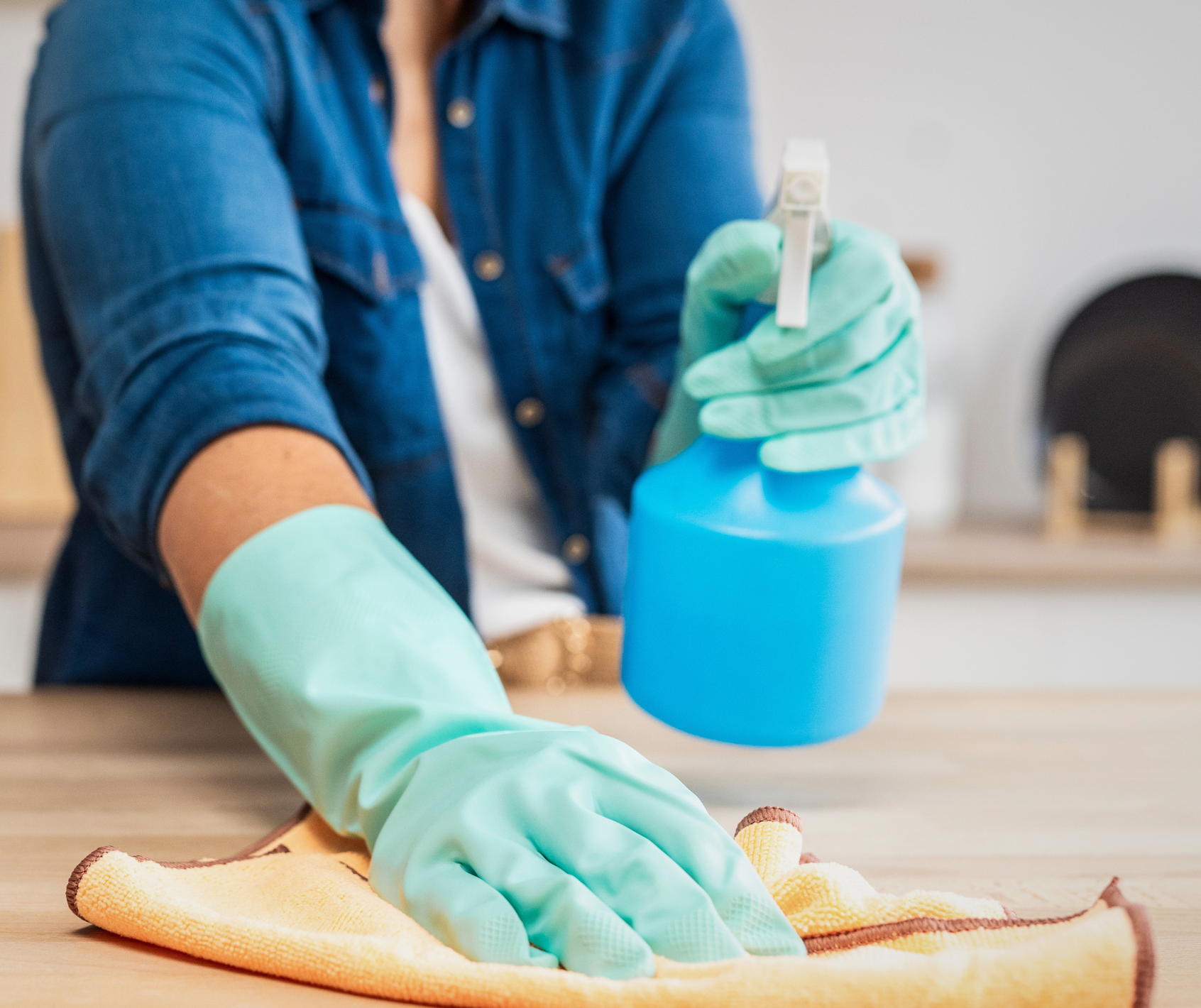
Person cleaning with a microfiber cloth and spray bottle.
  • Cleaning removes germs, dirt, and debris from surfaces. In most situations, cleaning is all you need to do.
  • Sanitizing reduces germs on surfaces or objects to safe levels by using chemicals or steam. You must clean before you sanitize. Sanitize objects and surfaces that come in contact with mouths (like toys, feeding supplies or surfaces that touch food.)
  • Disinfecting kills germs on surfaces or objects using chemicals that have been approved for this purpose. You must clean before you disinfect. Disinfect surfaces when someone has been sick.

    You can choose the right product based on the type of cleaning you are doing.

How to clean

Clean surfaces that are dirty or frequently touched with soap and water. You don’t need fancy cleaners. Regular soap and water or a fragrance-free all-purpose cleaner can remove most germs.

Sanitize and disinfect surfaces and objects only when necessary, like when there is vomit or feces.

Sanitizers and disinfectants (including wipes) are registered pesticides. If you use a sanitizer or disinfectant, always follow the instructions on the product’s label, including letting disinfectants sit on surfaces for the required amount of time to effectively kill germs. Frequent disinfection is not needed for a clean and safe environment. When disinfectants are overused or misused it can potentially create germs that are resistant to disinfectants. 

What to look for

Here are some tips for deciding which products to use:

  • Know whether to clean, sanitize or disinfect. Choosing the right product for the job will prevent unnecessary exposure to harmful chemicals.
  • Avoid products with labels that say things like “caution”, “warning”, “danger” or “poison”.
  • Look for fragrance-free products. Fragrances do not make products more effective, but they can cause health impacts.
  • You can also make your own cleaning products with household ingredients like baking soda and vinegar.

Terms like "natural", "eco-friendly" and "green" do not mean the product is safer. Instead, choose products that are certified as being safer.

For cleaning products, look for the Green Seal® or Safer Choice logos:


Green Seal logo
Safer Choice logo

For sanitizers and disinfectants, look for the Design for the Environment logo: 

Design for the Environment logo

If you cannot find a sanitizer or disinfectant with this logo, look for one that lists safer active ingredients like hydrogen peroxide, citric acid, ethanol, lactic acid or isopropanol. 
Also look for sanitizers and disinfectants that have an EPA registration number and a short contact time (ideally 30 seconds to 1 minute).

Protect yourself

Proper handling and storage of cleaning products is essential to maintain a safe home. Always review product labels before handling or using a chemical. Follow all label instructions and manufacturer recommendations.

Last Updated: