There are many ways to enjoy cycling in Vermont. From neighborhood streets and bike paths to mountain trails. But each year, people are injured while cycling. Many of these injuries can be prevented with the right gear and safe riding habits. Use these tips to help prevent injuries and stay safe on every ride.
 

Cycling Helmets and Equipment Safety Tips

Wear a helmet every ride
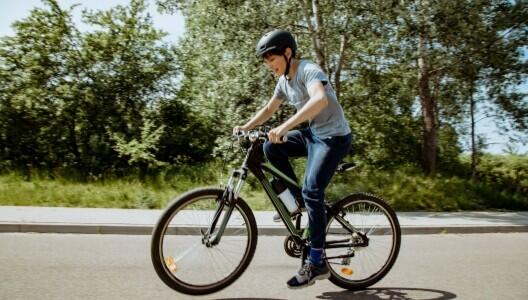
  • Wear a helmet every time you ride, no matter how short the ride or what you’re riding.  
  • Head injuries can happen anywhere, including driveways, bike paths, streets, and parks. 
Choose the right helmet
  • Always wear a helmet that meets the U.S. Consumer Product Safety Commission (CPSC) safety standards. Check the inside of your helmet for the CPSC safety label.
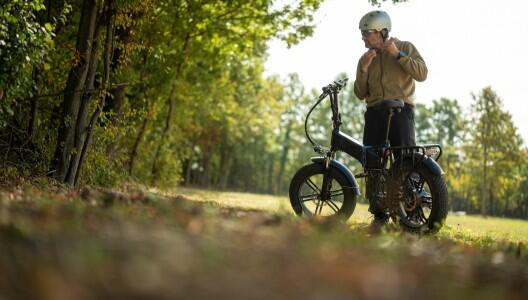
  • If you ride an e-bike or e-moto, make sure your helmet is rated for high speeds. Such as a motorcycle helmet or use a helmet that meets the NTA-8776 certification.
Take care of your biking equipment
  • After a serious fall or crash, throw away your helmet and get a new one that will provide proper protection.  
  • Check your bike before you go. Check your brakes, tires, and bike chain. 
Position the helmet
  • Your helmet should sit level on your head.  
  • The front of your helmet should sit no more than two finger widths above your eyebrows. 
Adjust the straps
  • The side straps should make a “V” shape on each side of your ear, with the adjustable clip forming the bottom of the “V” shape just below your earlobe.
  • You should be able to fit two fingers between your chin and the strap when fastened.
  • Helmet straps should be tight but not too tight!
  • Helmet straps should lie flat and not be twisted. 

Rules of the Road

  • Use front and rear lights and reflectors at night and be as visible as possible.  
  • Ride in the same direction of traffic. Ride near the right side of the road when it is safe to do so.
  • Follow the rules of the road and use hand signals.
  • Never ride distracted or under the influence.

Protecting Kids on Bikes

  • Set a good example and wear your helmet when biking with your child.  
  • Ride with your child and be aware of cars, pedestrians, and other cyclists.  
  • Bike with children until they are mature enough to ride on their own.  
  • Teach children how to make sure their bikes are ready to go. Such as how to check their brakes, tires, bike chain, and seat and handlebar height.  
  • Make sure children’s bikes have feet brakes when they are learning how to bike. 

Keeping Kids and Teens Safe on E-Bikes and E-Scooters

  • Know when children are ready. E-bikes and e-scooters (scooters with motors) can go fast enough to be dangerous for children. The American Academy of Pediatrics recommends that children under 16 should not operate or ride on e-bikes and e-scooters.  
  • Teach safe riding skills. Make sure that older teens understand how to be a safe pedestrian and bicycle rider before they ride an e-bike or e-scooter. Teens should know the rules of the road and be confident riders in traffic  
  • Talk about safe riding. Talk with your teen about the dangers of distracted operation such as texting, listening to music, snacking, and operating under the influence.  

Keeping Yourself Safe on E-Bikes and E-Motos

Know your vehicle! If an e-bike or e-moto can go faster than 30 miles per hour, it is legally a motorcycle. 

E-Bikes

  • An e-bike is a bicycle with working pedals and a small electric motor.
  • The maximum power of an e-bike motor is 750 watts of power.  
  • E-bikes can go up to 28 miles per hour are Class 3 bikes.
  • You must be at least 16 years old to ride a class 3 e-bike.  

E-Motos

  • An e-moto does not have working pedals and is a motor vehicle.  
  • You need a driver’s license to ride an e-moto.
  • E-motos must be registered, inspected, and insured.  
  • Know that e-motos can’t be ridden on sidewalks or recreation paths.  

Contact Us

Injury and Violence Prevention Program