
The Flu
Stay Healthy. Prevent the Flu.
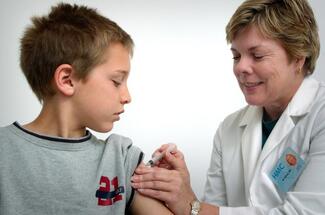
Everyone 6 months of age and older should get a flu vaccine.
What you can do to prevent flu
Current Vermont flu activity level
| Did you know: It takes about two weeks after getting the flu shot for it to be fully effective. |
Learn More:
Flu Information Line
Dial 2-1-1, or visit online at Vermont211.org
Flu Prevention and Treatment
- Prevent the Spread of Flu
- Who Should Get Vaccinated
- Where to get Vaccinated
- What to Do if You Get Sick
- Flu Resources - print materials, videos & more
What is "the flu?"
Influenza, commonly called the flu or seasonal flu, is caused by viruses that infect the nose, throat and lungs.
The flu usually spreads through the air from person to person when an infected person coughs, sneezes or talks. When these viruses enter the nose, throat, or lungs of a person, they begin to multiply, causing symptoms of the flu. Unlike the common cold, the flu can cause serious illness and can be life-threatening. Each year over 36,000 people in the U.S. die from complications of the flu.
Prevent the Spread of Flu
The best way to prevent the flu is to get a flu shot.
To help prevent the spread of flu, or any other illness that can be spread from person to person:![]()
- Cover your cough.
- Wash your hands often and well.
- Keep yourself healthy with rest, exercise, and eating healthy foods.
- Drink plenty of fluids.
- Stay home if you get sick.
- Avoid close contact with sick people.
Who Should Get Vaccinated?
Everyone aged 6 months and older is recommended to get vaccinated.
While nearly everyone will benefit from a flu shot, some people are especially vulnerable if they get the flu.
The Department of Health and CDC encourage all Vermonters to get vaccinated, especially those at high risk of complications from the flu.
Higher risk adults and those who care for, or are in contact with them should get vaccinated:
- Pregnant women
- Breastfeeding mothers
- All adults 50 years of age and older
- Residents of nursing homes and other long term care facilities.
- Healthcare workers
- Travelers
- People of any age with certain chronic medical conditions
- People who have immunosuppression
- Anyone with a condition that can compromise respiratory function
- People at high risk for severe complications from influenza
Where to Get Vaccinated
CDC recommends that everyone 6 months of age and older get vaccinated.
Flu vaccine will be available in many locations, including flu clinics, college health centers, urgent care facilities, your District Health Office, local pharmacies, as well as by many employers.
You can dial 2-1-1 for more information.
Even if you or your child do not have a regular health care provider, it will be easy to get vaccinated.
For Children
- Your child's pediatrician - Call pediatrician for an appointment
- District Health Offices - for children ages 6 months to 18 years who do not have a pediatric provider
For Adults
- Flu Clinics
- Your doctor or health care provider - Call for appointment
- Pharmacies, supermarkets, & discount stores - Watch for local notices
- College health centers
The Flu Vaccine Finder locates flu vaccine clinics near you.
A service of Flu.gov.
What to do if you get sick
Call your health care provider right away if flu symptoms are severe.
Is It a Cold or Flu?
Flu symptoms can often be confused with the common cold, but the flu usually comes on more suddenly and is more severe.
Symptoms of flu may include fever (usually high), headache, tiredness and weakness (can be extreme), dry cough, sore throat, runny or stuffy nose, body or muscle aches, nausea, vomiting, and diarrhea (much more common among children than adults).
A person who is sick with the flu is contagious. That means they can spread viruses. Adults can be contagious from one day before having symptoms to seven days after getting sick. Children can be contagious for longer than seven days.
If you start to get flu symptoms:
- Get plenty of rest.
- Drink plenty of liquids.
- Don't use alcohol or tobacco.
- Stay home from work or school to protect others from catching your illness.
- Cover your mouth and nose with a tissue every time you cough or sneeze.
- Take medication to lessen the symptoms of flu, but NEVER give aspirin to children or teenagers who have flu-like symptoms, especially fever, without first checking with your health care provider.
What to do About the Flu: Deciding about Care
At-a-glance guidance about the level of care for adults and children based upon type and severity of symptoms.
[ color ] [ black & white ]
See also: What to do if you get sick
More Information
Contact us
Vermont Department of Health
108 Cherry Street
Burlington, VT 05401
Tel. 802-863-7200
E-mail: vdhco@state.vt.us

